

Material Choices
About
At Goldwin, we learn from nature to push the boundaries and continue to explore innovative materials, technologies and options.
We truly believe this is the essential attitude for our future.
We prioritize a diverse approach in selecting materials rather than relying on a single solution.
Choosing the right materials requires a holistic perspective that accounts for energy used when transporting raw materials, the balance with global food supply and demand and many more. We know that the true environmental impacts of our products cannot be measured by a single data point.
Just as we face the wilderness sensing and responding to nature’s changes in real-time through our activities on the snow playground, Goldwin believes that we must be attentive to our relationship with the environment in every moment.
This will allow us to respond with resilience in the face of unpredictable global social and environmental changes.
And we will make all of our products “GREEN PRODUCT” by 2050. We are working towards this goal through our research and development initiatives on raw and production materials.
*GREEN PRODUCT is defined as products made from materials comprised of 25%+ sustainable materials.
Advanced
Technology
Adoption
Brewed Protein™
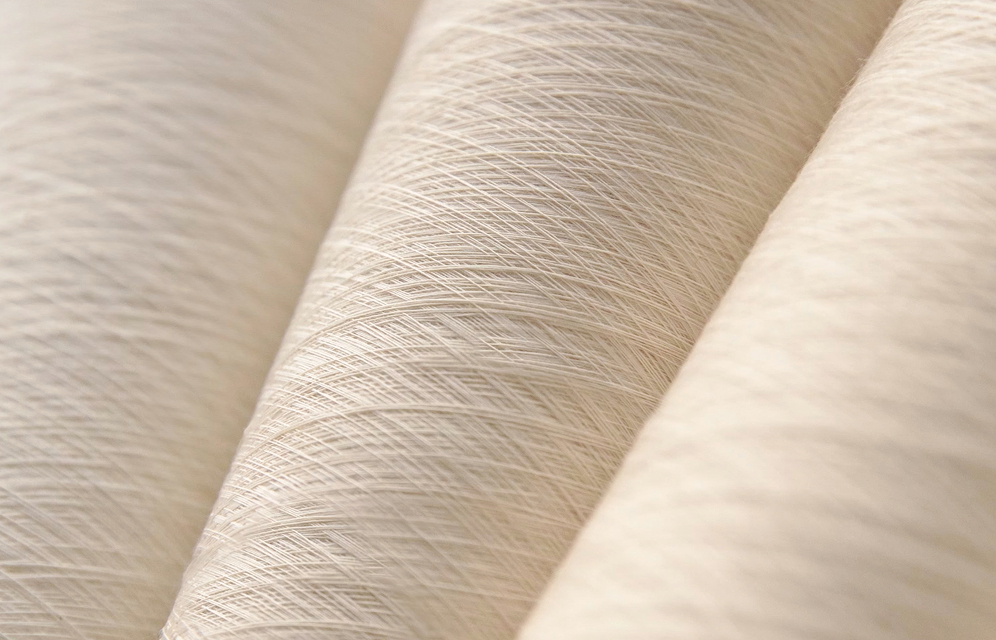
Brewed Protein™ fiber
A next-gen material designed by Spiber Inc. and produced through the fermentation of plant-derived ingredients. While sharing the fine qualities of animal fibers, it is expected to generate 79% lower* cradle-to-gate GHG emissions per kilogram of fiber at the fiber production stage compared to that of conventional cashmere. Moreover, as a biodegradable material, Brewed Protein™ fiber offers the potential to reduce microplastic emissions – particularly when thoughtfully incorporated into product composition and design.
*For methodology and data, visit https://spiber.inc/en/protein
PlaX™
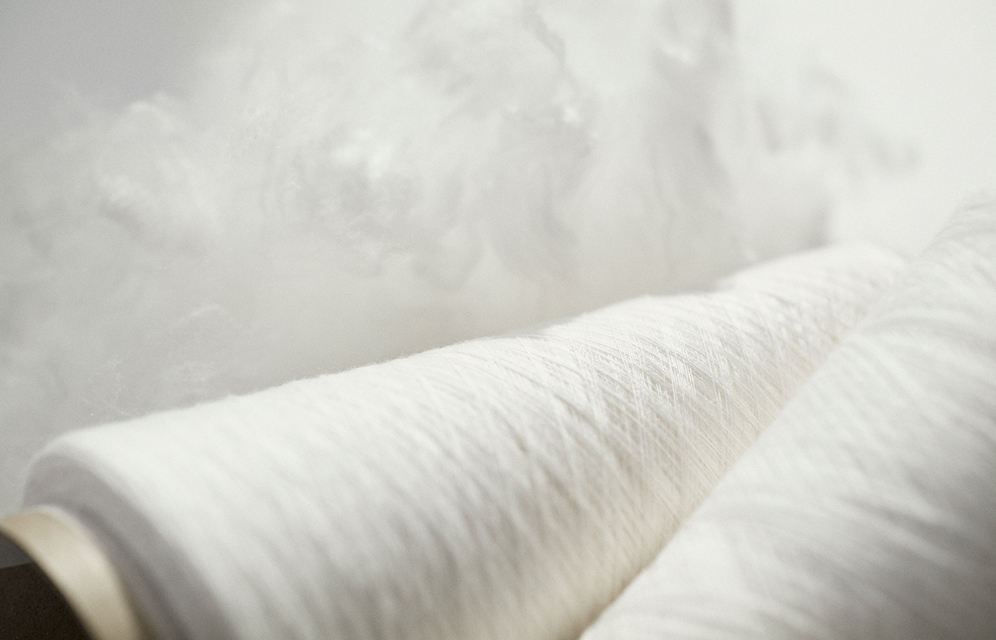
PlaX™ is an innovative material with enhanced quality and functionality, made from biomass sources like polylactic acid (PLA) derived from plants such as sugarcane, and proprietary additives developed by Bioworks.
PlaX™ offers innovative solutions to the challenges that have hindered PLA’s wider use, such as durability, heat resistance, and dyeability in fiber processing. Not only is it expected to replace existing petroleum-based synthetic fibers, but it is also seen as a next-generation material that addresses environmental issues and paves the way for a sustainable, circular economy.
Recycled Materials
Recycled Poryester /
Recycled Nylon
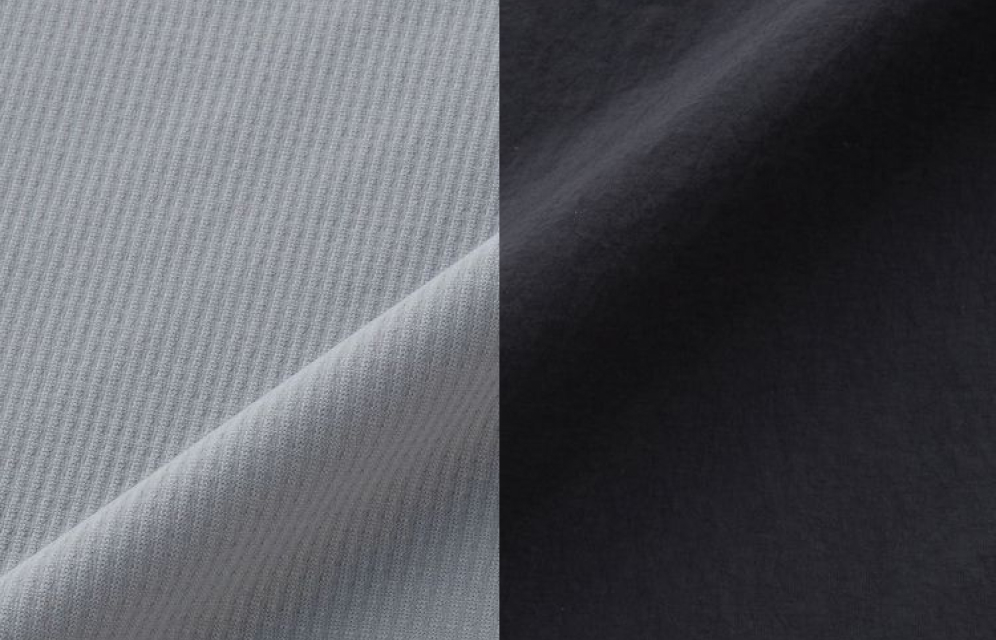
Rather than relying on polyester and nylon that are newly extracted from petroleum, Goldwin prioritizes recycling the materials that have already been in use to minimize environmental impacts. We utilize two primary recycling methods:
1) Material recycling – a process where post-consumer products and plastic bottles are shredded and converted into chips to regenerate yarn and batting
2) Chemical recycling – a process that chemically decomposes products to generate fibers that maintain a level of quality identical to the virgin materials produced from petroleum.